Source CE PLC Tortilla Press for Tortilla, Roti, and Pancake Production
Compare 30 CE PLC tortilla press machines from verified Chinese suppliers. Buyers can evaluate specifications like capacity, power, and dimensions for tortilla, roti, and pancake making applications. These units feature stainless steel construction, hydraulic or semi-auto pressing types, and customizable dough sizes ranging from 5 to 35 centimeters.
Key considerations
Products List









Comprehensive Sourcing Guide
CE PLC Tortilla Press Sourcing Guide
Sourcing industrial tortilla pressing equipment requires careful evaluation of automation levels, particularly when integrating PLC controls for consistent output. The market offers a range of machines from semi-automatic hydraulic presses to fully automated conveyor-based systems. Buyers must distinguish between simple mechanical presses and complex electronic units that manage temperature, pressure, and timing. Understanding these distinctions is critical for aligning machine capabilities with production volume targets.
This guide focuses on verifying technical specifications, compliance documentation, and supplier qualifications for CE-certified tortilla presses. It addresses the specific needs of procurement professionals evaluating machines like the SR-YMMBJ or HT-YMB60 models. The analysis relies on observed listing data and standard industry knowledge to help buyers make informed decisions about capacity, material construction, and operational efficiency.
Product Scope and Observed Listing Signals
The current market for tortilla pressing machinery displays a wide variance in pricing and capacity, reflecting differences in automation and build quality. Observed price points range significantly, indicating that basic manual or semi-automatic units differ substantially from high-speed automated lines. Buyers should note that capacity metrics vary from 10-16 pieces per hour for manual presses to over 800 pieces per hour for advanced conveyor systems. This disparity highlights the importance of matching machine speed to actual production demands.
Material construction is predominantly stainless steel, ensuring durability and hygiene in food processing environments. Common specifications include a power rating of 400W for smaller units up to 5kW for larger industrial models. Voltage standards typically align with 220V requirements, though customization is often available. Packing methods generally involve wooden cases or fumigation-free wooden crates, which are essential for protecting sensitive electronic components like PLCs during international shipping.
Technical Specifications to Verify
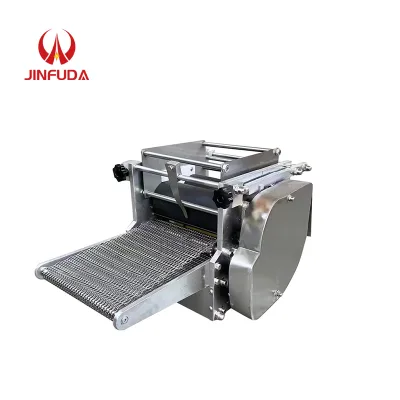
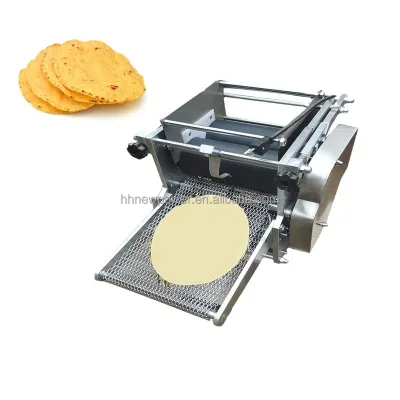
When evaluating tortilla presses, verifying the dough size compatibility is paramount. Machines often support tortilla diameters ranging from 5cm to 32cm, with some models accommodating up to 35cm for pancake applications. Buyers must confirm that the conveyor mesh belt length and pressing mechanism align with their specific product dimensions. For instance, models like the HT-YBJ35H feature hydraulic pressing types suitable for thicker doughs, while others use continuous conveyor belts for high-volume output.
Power consumption and physical dimensions are critical for facility planning. Standard footprints range from 600x450x1350mm to 700x550x1250mm, requiring adequate floor space and utility connections. Weight varies from 50kg for compact units to 125kg for heavy-duty industrial machines. Core components, such as the motor, must be verified for quality and compatibility with local electrical standards. Ensuring these specifications match your facility’s infrastructure prevents costly retrofitting or operational bottlenecks.
Compliance and Safety Documentation
CE certification is a fundamental requirement for machinery operating within European markets, ensuring adherence to strict safety and health standards. Buyers must request valid CE certificates and verify that the machine’s PLC and electrical systems comply with relevant directives. Additional certifications such as LFGB, TUV, and ISO indicate higher levels of quality assurance and material safety. These documents provide assurance that the equipment meets regulatory requirements for food contact surfaces and electrical safety.
Documentation should also include detailed user manuals and maintenance guides in English. Clear instructions on operating the PLC interface and performing routine maintenance are essential for minimizing downtime. Buyers should verify that the supplier provides comprehensive safety warnings and emergency stop procedures. Proper documentation ensures that operators can use the machine safely and efficiently, reducing the risk of accidents and ensuring consistent product quality.
Cost Drivers and Commercial Terms
Several factors influence the total cost of ownership for tortilla pressing machines. The primary drivers include the level of automation, material quality, and included features like PLC controls. Higher-capacity machines with advanced automation commands a premium price but offer greater efficiency and labor savings. Buyers should evaluate the cost per unit produced rather than just the initial purchase price to determine the true value of the investment.
Commercial terms such as MOQ, lead times, and warranty coverage significantly impact procurement decisions. While specific MOQs vary, buyers should negotiate favorable terms for spare parts and after-sales support. A standard one-year warranty is common, but extended coverage options may be available. Understanding these terms helps in budgeting for long-term operational costs and ensures that the supplier is committed to supporting the machine throughout its lifecycle.
Supplier Qualification and Quality Control
Selecting a reliable supplier is crucial for obtaining high-quality tortilla pressing equipment. Buyers should verify the supplier’s manufacturing capabilities, including their experience with PLC integration and stainless steel fabrication. Suppliers based in regions like Henan, China, often have established expertise in food machinery production. Requesting references or case studies from existing clients can provide insights into the supplier’s reliability and product performance.
Quality control processes should be transparent and rigorous. Buyers should inquire about factory inspections, material testing, and pre-shipment checks. Ensuring that the machine undergoes thorough testing before dispatch helps identify potential defects early. Suppliers who offer customization options demonstrate flexibility and a customer-centric approach. Establishing a clear communication channel with the supplier facilitates smoother negotiations and resolves any technical queries promptly.
Long-Term Procurement Checks
Post-purchase support is a key indicator of a supplier’s long-term commitment. Buyers should confirm the availability of spare parts and technical support services. Reliable suppliers provide timely assistance for troubleshooting PLC errors or mechanical issues. Establishing a service agreement can ensure continuous operation and minimize production disruptions. Regular maintenance schedules should be defined to extend the machine’s lifespan and maintain optimal performance.
Monitoring machine performance and energy consumption over time helps in assessing the ROI. Buyers should track metrics like production speed, defect rates, and power usage to identify areas for improvement. Feedback from operators can highlight usability issues or necessary adjustments. Continuous engagement with the supplier for upgrades or modifications ensures that the machine remains competitive and efficient in a evolving market landscape.
FAQs
What certifications do these tortilla making machines have?
These machines typically hold CE, TUV, and ISO certifications to ensure safety and quality standards. Some models also feature LFGB compliance for food contact materials. Buyers should verify specific certification documents with suppliers before purchase to confirm regulatory compliance for their local market requirements.
Can the tortilla diameter be customized for specific needs?
Yes, customization is available for the tortilla diameter. Standard options often include 20cm, 25cm, and 30cm sizes, but manufacturers can adjust the range from 5cm to 32cm based on production requirements. This flexibility allows businesses to tailor output to specific product lines or customer preferences.
What is the production capacity of these pressing machines?
Production capacity varies by model, ranging from 30 to 60 pieces per minute for high-speed units. Other models may offer 500 to 800 pieces per hour or lower capacities for semi-automatic operations. Buyers should select a model that aligns with their daily output targets and workflow efficiency.
How much power do these tortilla machines consume?
Power consumption depends on the specific model, with options ranging from 400W to 5kW. Most standard units operate at 220V voltage. Higher capacity machines generally require more power, so buyers must ensure their facility electrical infrastructure supports the selected machine's power rating for safe operation.
What material are these machines constructed from?
These machines are primarily constructed from stainless steel to ensure durability and hygiene. The material choice supports easy cleaning and resistance to corrosion, which is essential for food processing environments. Buyers should confirm the specific grade of stainless steel with suppliers to meet their sanitation standards.